
We requested projects to offer a true story telling something personal and unique in tune with the culture of the community. To see the Project related to them you may follow the title link or visit our page Project Vision .

Movement is life and the Videos we receive from Projects help to understand the life of the Community. Please enjoy watching some of these short videos.

Thanks for your lovely and meaningful contributions.
1. A Story of Hope:
Abebe’s Journey from Despair to Redemption
At our organization, we are deeply moved to share an inspiring true story—one that has touched our team and patients alike. This is the journey of Maranata (name changed for privacy), a man who overcame the depths of addiction to reclaim his life and purpose. A Promising Beginning, A Painful Fall Abebe grew up in a devout Christian home filled with faith and music. A gifted musician, he played guitar and piano for his church, uplifting his community with his talent. But in high school, his life took a devastating turn. Peer pressure led him to experiment with marijuana, then alcohol, khat, and harder substances. His younger brother followed, and soon, addiction consumed them both. For 16 agonizing years, Abebe’s world unraveled. He dropped out of school, abandoned music, and lost his place in the church. His family watched in despair as he and his brother sold their inherited home to feed their addiction. When the money ran out, they became homeless. Tragedy struck when Abebe’s brother, overwhelmed by despair, took his own life. By the time Abebe arrived at Meqreth Rehabilitation Center, he was 39 years old—emaciated, broken, and wearing tattered clothes, with nowhere left to turn. The Turning Point: Healing and Hope During his three-month treatment, something extraordinary happened. Through medical care, counseling, and spiritual support, Abebe began to heal—physically, mentally, and emotionally. For the first time in years, he spoke of music again, strumming a guitar during therapy sessions. But a critical question remained: Where would he go after rehab? With no home or family, the risk of relapse was high. A New Purpose: From Survivor to Savior Recognizing his resilience, we offered Abebe a lifeline—training him as a Peer Recovery Coach at Meqreth. Today, he stands as a beacon of hope, using his own story to guide others through addiction’s darkness. And in a beautiful full-circle moment, he now plays guitar during therapy sessions, rekindling the joy of music he once thought lost forever. Abebe’s journey proves that even in the deepest despair, transformation is possible. His life today—a testament to courage, faith, and second chances—continues to inspire everyone at our center.
2. A Story of Resilience:
Amina’s Garden
When Amina, a 34-year-old Somali refugee and single mother of three, arrived in Kenya, she had nothing but the clothes on her back and the trauma of fleeing war. Resettled in a refugee settlement outside Nairobi, Amina struggled daily to feed her children. Rations were never enough, and buying vegetables from the market was a luxury she couldn’t afford. Most days, the family survived on boiled maize and tea—meals with little to no nutritional value. When Amina heard about the Cultivating Change kitchen garden initiative, she was skeptical. She had never farmed before. “In Somalia, I lived in a city. My hands were made for cooking, not planting,” she laughed during her first training session. But she joined, driven by the hope of feeding her children something green—something fresh. With the support of our team, Amina received a small starter kit: seeds for kale, spinach, onions, and carrots; a hoe; and a water drum. She attended workshops where she learned how to compost kitchen waste, plant in small plots, and conserve water using locally made drip systems. Within weeks, the first sprouts emerged. “The day I picked our first spinach leaves, my children clapped,” she recalled with tears in her eyes. “We made sukuma wiki with tomatoes. It tasted like home.” Now, Amina’s garden feeds her family daily. She even sells extra vegetables to neighbors, earning enough to buy school supplies and medicine. Her once-barren backyard is now alive with green, and her children are healthier, smiling more often. She has become a mentor to other refugee women who want to start gardens of their own. For Amina, the garden is more than food. It is hope, healing, and a way to regain control over a life shaped by displacement.
3. The Aftermath of Cyclone Jude:
A Family’s Journey from Mossuril to Nampula
Mario, a resident of Mossuril in Nampula province, vividly remembers the night Cyclone Jude struck in March 2025. His home, where his daughter took her first steps, was gone, reduced to splintered wood and debris. The terrifying experience of shaking walls, heavy rain, and the eventual destruction of their home left him and his family in a state of shock and loss. With their home lost and the surrounding area flooded, Mario and his family, along with many others, had to seek refuge in Nampula City. The journey was fraught with danger, as roads were impassable due to heavy rainfall and flooding. Upon reaching a point 20 kilometers from Nampula City, Mario discovered the main road was cut off. He was forced to disembark from the bus and continue on foot, navigating around the flooded road and crossing a watercourse. “Every step was a struggle,” he recounted, highlighting the difficulties faced by those fleeing the cyclone. Once in Nampula, Mario and his family found temporary shelter at a community center, alongside many others who had been displaced. They faced the challenges of rebuilding their lives in the aftermath of the cyclone, with limited resources and facing a uncertain future.
4. Asha’s Story:
From Abandonment to Aspiration
When Asha* was just 9 years old, she was found wandering the streets of Puducherry after being abandoned by her extended family. Her mother had passed away, and her father—struggling with addiction—had disappeared. She had nowhere to go and no one to turn to. She was brought to the Child Welfare Committee, who referred her to Janani Home for Girls. Shy, malnourished, and deeply afraid, Asha arrived with only the clothes on her back. But from the moment she entered Janani Home, her life began to change. The caregivers welcomed her with warmth, offering not just food and shelter, but kindness and dignity. For the first time, Asha was enrolled in school. She had never held a pencil properly, but with patient guidance, she began to catch up. In just two years, she went from struggling to write her name to standing proudly on stage reciting a Tamil poem she wrote herself. What Asha loves most is art. She now spends hours painting scenes from village life—fields, temples, and colorful kolams. Her dream? To become an art teacher, so she can help other girls find their voice just like she did. Today, Asha is a confident teenager who mentors younger girls at the home. Her laughter fills the halls, her artwork decorates the walls, and her story touches the heart of everyone who visits. Your support can help girls like Asha move from fear to freedom—from surviving to thriving. With every contribution, you’re not just funding a facility—you’re restoring childhoods, nurturing dreams, and building futures rooted in dignity and hope. *(Name changed for privacy)
5. Atem’s Story:
“I want to be a nurse”
In the small town of Buea, nestled at the foot of Mount Cameroon, lives a bright-eyed 8-year-old girl named Atem Blessing. She walks barefoot every morning along the dusty path to Sanpit Primary School, her worn-out exercise book clutched tightly in hand. Her mother, a single parent, sells roasted plantains by the roadside to make ends meet. Most days, they go to bed with just one meal. When our team first met Atem Blessing, she was sitting under a mango tree, trying to copy notes from a class she couldn’t attend that day because she lacked basic supplies -no books, no pen, and no uniform. Still, she smiled and said, “I want to be a nurse so I can help my mother when she’s sick.” It was this moment that moved us deeply and reminded us why we started this education support project . To break the cycle of poverty through learning. We bought Atem Blessing her first schoolbag, shoes, and uniform, and covered her school fees. Today, she is top of her class and volunteers to read aloud every morning. Her confidence has bloomed like a jacaranda tree in the rainy season. Her story is not unique, but it is powerful. Every child like Atem Blessing deserves the chance to learn and grow not just survive.
6. Back in Class:
The importance of hygiene
Nestled in Kanywambogo, Ryabatenga Primary School serves 1,073 children whose lives have been transformed by the provision of clean water and safe latrines. Before the installation of a new tap stand and latrines, Elizabeth and her classmates faced daily challenges—an exhausting 30-minute walk for water and the absence of private facilities often forced girls to miss school during menstruation. Elizabeth candidly shared, “Some girls used to be absent until menstruation stopped,” highlighting the struggle. Now, thanks to ACTS, the school is equipped with accessible latrines and a reliable water source. Elizabeth beams with relief, stating, “Everything is now clean and available! It takes just 2 minutes to visit the latrine and return to class.” This newfound efficiency allows students to focus on their studies, foster new hygiene habits, and reclaim their time. With the Micro Donation, Elizabeth story will be true for other 790 girls in Bwesumbu SDA Primary School, Kanyangwangyi Primary School, and Kaghando Primary School in Kasese District lack reliable clean and safe water sources within their premises.
7. Venesa’s Story:
“Mama Farmer”
Venesa Munge is a 28 year-old single mother of two, lost her husband during the Anglophone crisis in Cameroon. With no steady income and two hungry mouths to feed, she struggled daily to provide even one meal for her children. When she joined our vegetable gardening program in 2024, she had never touched a hoe before. Through our training, she learned how to grow tomatoes, okra, and green vegetables on a small piece of land behind her home. With the first harvest, not only did she feed her family with fresh, nutritious food, but she also sold the surplus at the local market. The income helped her buy school supplies and clothes for her children for the first time in two years. Vanessa now teaches three other women in her neighborhood, proudly calling herself “Mama Farmer.” Her story of resilience and renewal continues to inspire the entire community.
8. Radha’s Story
In a quiet village outside Puducherry lives Radha, a young mother of two, who works as a daily wage laborer in the fields. Her husband had abandoned the family when their second child was born, leaving her to fend for herself and her children on a meager income. When our Rural Health Mission team first met Radha during a health camp, she was carrying her one-year-old daughter, Malathi, who was visibly malnourished and listless. Radha herself looked frail and exhausted. She confided that she hadn’t been able to take her daughter to a doctor because the nearest clinic was too far, and she couldn’t afford the travel or the fees. She thought Malathi was simply “weak” and believed that someday she would get better on her own. That day, our doctor examined Malathi and diagnosed her with severe malnutrition and anemia — conditions that could have become life-threatening if left untreated. Radha was provided with free medicine, a nutrition kit, and guidance on simple, affordable ways to improve both her children’s and her own diet using locally available foods. But what truly moved us was what Radha said at the end of the camp. With tears in her eyes, she clasped our volunteer’s hands and said: “I didn’t know anyone cared about people like us. For the first time, I feel there is hope that my children can live healthy and happy lives. You have brought light into our dark home.”
Today, with regular follow-up from our team, Malathi is healthy and thriving, and Radha has even joined one of our Self-Help Groups to earn a more stable income. Stories like Radha’s remind us why this work matters so deeply — and why every contribution counts. Your support helps us reach more mothers like her, ensuring that no child suffers simply because they are born into poverty.
9. Grace’s Story
In the misty hills of Rubanda District, 9-year-old Grace begins her school day at Rwabulindi Primary School like many of her classmates—barefoot, clutching a tattered notebook, and walking several kilometers from her Batwa settlement. Grace is bright, curious, and dreams of becoming a nurse. But her classroom reality is far from nurturing.
Each morning, Grace enters a dim, overcrowded classroom and settles onto the cold, dusty floor. There are no benches. She kneels for hours, her legs aching, her uniform stained with red clay. When it rains, water seeps through the cracked walls, and the floor becomes muddy. Grace often falls ill, but she rarely complains. “I want to learn,” she says softly, “even if I sit on stones.”
Grace’s story is not unique—but it is deeply personal. Her parents, both living with HIV, struggle to provide basic needs. Her community, the Batwa, has long faced exclusion and poverty. Yet Grace shows up every day, determined to learn, even when the odds are stacked against her.
When KADOLHA staff visited Rwabulindi Primary School, Grace’s resilience moved them to tears. Her story became the heartbeat of this project. The simple act of providing benches—something many take for granted—could transform Grace’s experience from one of discomfort and indignity to one of pride and possibility.
10. Tabhita’s Story
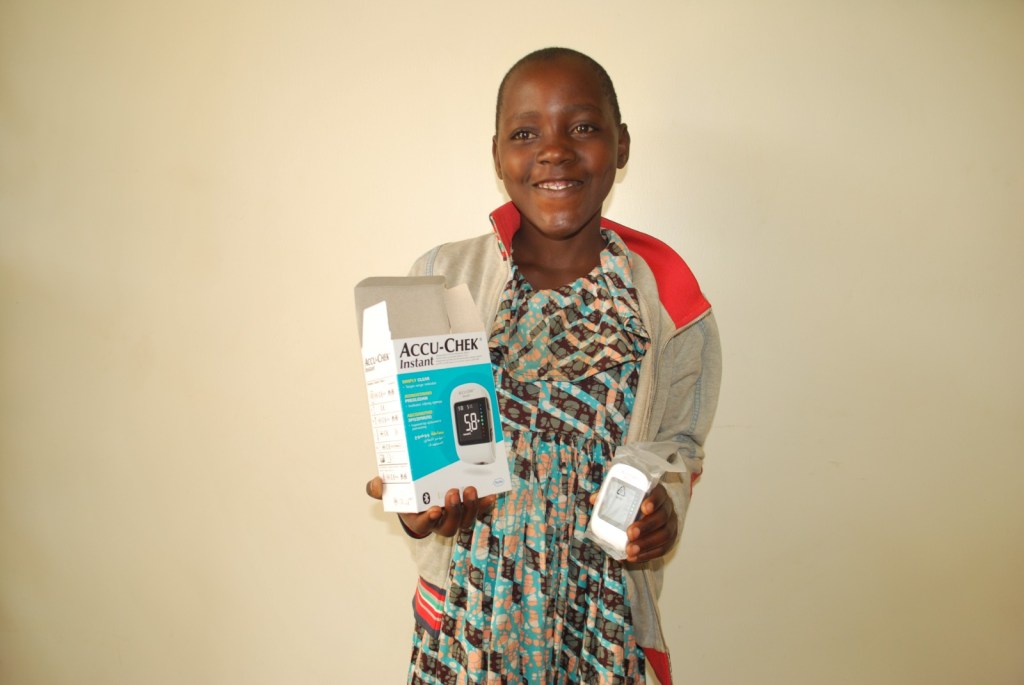
Our daughter wasted away before our eyes for four painful years. She was a little girl, but her body was a battleground. We are far in the village, and when she started showing strange symptoms – drinking all the time, always hungry, but losing weight, and so weak – our first suspicion, like that of most people in our community, was HIV! ‘ – that she was bewitched. We spent precious shillings and days trekking to witchdoctors, hoping to find a cure for what we believed was a spiritual affliction. Each visit only brought more despair. Then came the perpetual hospital visits. From local small clinics to bigger hospitals, no one could quite make out what was stealing her childhood away from her. It wasn’t until after an agonizing visit to Mulago in Kampala, our last hope, that the doctors ultimately spoke the words: ‘Type 1 Diabetes.’ Oh, the relief, but the anguish in the knowledge of if only we had realized sooner, her little body would not have fought so long, would not have been quite so close to the edge. But diagnosis was merely the initial mountain. The doctors instructed us that we had to check her sugar level three times a day – morning, lunchtime, dinnertime.
 Microdonations